 Skip to content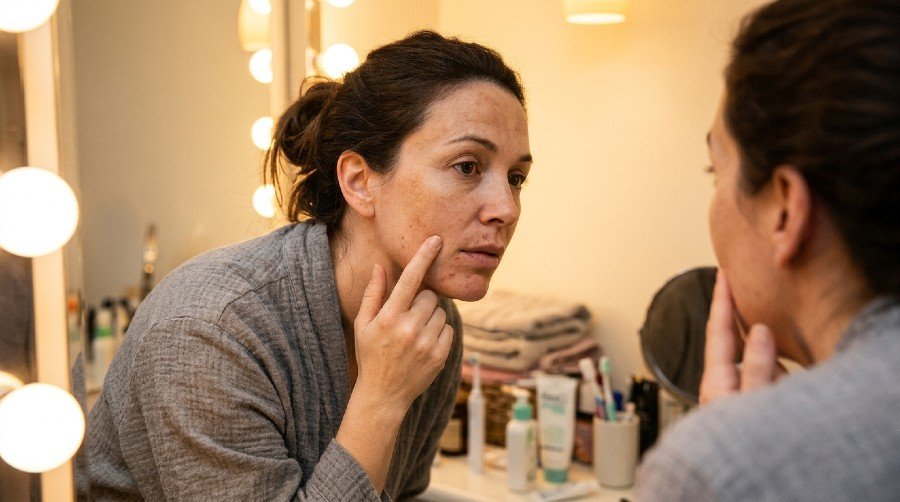
Have you looked in the mirror lately and wondered where your skin went? Not in a dramatic way — just that quiet moment where you notice a darker patch on your cheek, or touch your forehead and feel a roughness that wasn’t there before. Maybe your skin looks duller. Maybe there are new spots, or the skin on your belly feels completely different.
Skin changes after pregnancy are one of the most universal and least talked-about parts of postpartum recovery. Your body just did something extraordinary. Hormones surged and then dropped sharply. Your skin stretched. Blood flow shifted. All of that leaves marks — sometimes literally. This article walks you through exactly what’s happening, why it happens, what you can realistically do about it, and when something deserves a closer look from your doctor.
You’re not imagining these changes. And you’re definitely not alone in them.
What the Research Shows About Postpartum Skin
Many mothers assume what’s happening to their skin is unusual. The data says otherwise.
- Up to 90% of pregnant and postpartum women experience some form of skin hyperpigmentation (darkening), according to research published in the International Journal of Women’s Dermatology
- Melasma — the patchy brown discoloration often called the “mask of pregnancy” — affects approximately 15–50% of pregnant women, with many continuing to see changes postpartum, according to the American Academy of Dermatology (AAD)
- Skin texture changes, including dryness and sensitivity, are reported in a significant proportion of postpartum women — particularly those who are breastfeeding — due to lower estrogen levels, per NIH-published research on hormonal skin effects
- Collagen production slows postpartum as estrogen drops, directly affecting skin firmness and texture — this is a documented, hormonally driven process, not simply aging
- Most pigmentation changes begin improving within 3–6 months after birth when sun protection is consistently used, though full resolution takes longer for some skin tones
Why Your Skin Looks and Feels So Different Right Now
The biggest driver is hormones — specifically the dramatic rise and fall of estrogen and progesterone. During pregnancy, these hormones reach levels your body has never experienced before. After birth, they drop sharply. Your skin, which is deeply sensitive to these hormonal signals, reacts to every stage of that shift.
The Hormone–Skin Connection
Estrogen plays a major role in collagen production, skin hydration, and oil regulation. When it drops after delivery, you might notice:
- Skin feeling drier or more sensitive than usual
- A loss of that “pregnancy glow” — yes, it was real, and it fades
- More visible dullness or fine lines
- Breakouts, even if you never had acne before
If you’re breastfeeding, your estrogen levels stay lower for longer. That’s completely normal, but it does extend the period of hormonal skin changes.

Melanin Overdrive — What’s Causing Those Dark Patches
Melanin is the pigment that gives your skin its color. During pregnancy, hormones ramp up melanin production significantly. Research from the NIH on skin pigmentation during the perinatal period confirms that elevated estrogen and progesterone directly stimulate melanocytes — the pigment-producing cells in your skin.
Common areas where darkening shows up:
- Face — especially cheeks, forehead, upper lip — this is melasma
- Linea nigra — the dark line running down the center of your belly
- Nipples and areolas
- Underarms and inner thighs
- Existing freckles and moles, which may temporarily darken
Worth Knowing: Sun exposure significantly worsens melasma and postpartum pigmentation. Even on cloudy days, UV rays reach your skin. A broad-spectrum SPF 30 or higher every morning — even if you’re just doing a school run — can make a meaningful difference in how quickly pigmentation fades.
A Closer Look at Skin Texture Changes
Pigmentation gets a lot of attention, but texture changes can feel just as jarring. You might notice your skin feels rough, looks uneven, or has lost the smoothness it had before.
What’s happening beneath the surface:
Collagen is the protein that keeps skin firm and smooth. Postpartum, with estrogen declining, your body temporarily produces less of it. Add in sleep deprivation — which slows skin cell turnover — dehydration from breastfeeding, and the general physical demands of caring for a newborn, and your skin texture reflects all of that.
The skin on your belly deserves its own mention. Even beyond stretch marks after pregnancy, abdominal skin often feels different — thinner in some spots, looser in others. This is adaptation, not damage.
Postpartum Acne
Postpartum acne catches many mothers off guard. When progesterone drops sharply after delivery, it can temporarily throw off oil production. The result is often an uptick in blemishes around the chin, jaw, and cheeks. These breakouts tend to settle as hormones stabilize — usually within the first few months. Gentle, non-irritating cleansers work better than harsh treatments right now, especially if your skin is also sensitive.
Skin Changes Timeline: Month by Month
| Timeframe | Common Skin Changes | What Typically Helps |
|---|---|---|
| 0–6 weeks postpartum | Oiliness or extreme dryness, initial breakouts, skin sensitivity, visible pigmentation | Gentle cleansing, hydration, SPF daily |
| 6 weeks – 3 months | Hormone-related acne may peak, melasma visible, texture uneven | Continue SPF, introduce gentle vitamin C serum if tolerated |
| 3–6 months | Hormones begin stabilizing (sooner if not breastfeeding), pigmentation starts fading | Consistent sun protection, hydration, niacinamide products |
| 6–12 months | Most pigmentation noticeably improved, skin texture steadier, collagen slowly rebuilding | Can introduce retinoids if not breastfeeding — consult provider first |
| 12+ months | Most changes resolved or significantly reduced; some deep pigmentation may linger | Dermatologist consult if pigmentation persists |
Just like postpartum hair loss follows a predictable hormonal timeline, skin changes tend to improve as hormones stabilize. Progress isn’t always linear, but the trend is toward improvement.
Myth-Busting: Common Misconceptions About Postpartum Skin
“Drinking more water will fix my skin dullness.” Hydration helps, but it isn’t a cure-all. Postpartum skin dullness is primarily driven by hormonal shifts and slowed cell turnover — not dehydration alone. Staying well hydrated supports your skin but won’t reverse pigmentation or texture changes on its own.
“Natural oils and butters will get rid of dark patches.” Oils like rosehip and sea buckthorn can support skin hydration and texture — they’re lovely for that purpose. But they don’t significantly fade hormonal pigmentation. What actually works is consistent sun protection and, over time, ingredients like niacinamide, azelaic acid, or vitamin C — ideally guided by a dermatologist for your specific skin tone.
“These changes are permanent.” Most postpartum skin changes are temporary. Pigmentation fades. Texture improves. Collagen rebuilds. The timeline varies, and some changes take longer than others — but “permanent” is rarely accurate here.
“Sunscreen only matters when you’re at the beach.” This one matters a lot for pigmentation. UV exposure — even brief, everyday exposure — is the primary trigger that worsens melasma and slows its fading. According to the American Academy of Dermatology, daily SPF is the single most impactful thing you can do for postpartum pigmentation, regardless of weather or how much time you spend outdoors.
Practical Steps You Can Actually Take
You don’t need an elaborate routine right now. A few well-chosen steps, done consistently, do more good than an expensive 10-product system you can’t keep up with.
The essentials:
- Gentle cleanser — non-foaming or cream-based if your skin is dry; gentle foaming if it’s oily or combination
- Moisturizer — simple, fragrance-free if your skin is sensitive
- SPF 30+ daily — non-negotiable for pigmentation management
If you want to add one active ingredient to address texture and dullness, niacinamide (vitamin B3) is well-tolerated by most skin types, generally considered safe while breastfeeding, and has solid research behind it for improving both texture and mild pigmentation.
Simple Strategy: Apply your SPF last, right before leaving the house or sitting near a window. Keep it next to your coffee maker so you see it every morning. Habit stacking like this works better than elaborate routines when life is unpredictable.
Skincare Ingredients: Quick Reference for Postpartum Use
| Ingredient | What It Does | Breastfeeding Safety |
|---|---|---|
| Niacinamide (Vitamin B3) | Improves texture, reduces pigmentation, strengthens skin barrier | Generally considered safe — check with provider |
| Vitamin C (L-ascorbic acid) | Brightens skin, antioxidant, mild pigmentation improvement | Generally safe topically — check with provider |
| Azelaic Acid | Targets pigmentation and breakouts, anti-inflammatory | Considered safe in moderate concentrations — discuss with provider |
| Retinoids (Retinol, Tretinoin) | Speeds cell turnover, builds collagen, reduces pigmentation | Generally avoided while breastfeeding — discuss with provider |
| Hydroquinone | Prescription-strength pigmentation treatment | Avoid during breastfeeding — discuss with dermatologist first |
Always discuss specific ingredients with your healthcare provider or dermatologist before starting them postpartum, particularly while breastfeeding.

The Role of Nutrition in Skin Recovery
Your skin is built from the inside too. Nutrients that support postpartum skin repair include:
- Vitamin C (from citrus, berries, bell peppers) — essential for collagen synthesis
- Zinc (from pumpkin seeds, legumes, meat) — supports skin healing and oil regulation
- Omega-3 fatty acids (from oily fish, walnuts, flaxseed) — reduce inflammation and support skin barrier function
- Protein — your skin is made of it; consistent intake supports repair
You don’t need to overhaul your diet. Even small, consistent additions make a difference over weeks and months.
Quick Win: If you’re not already taking your prenatal vitamin postpartum, consider continuing it or switching to a postnatal formula. Many contain skin-supporting nutrients — and they’re designed to work with your body’s current needs.
Skin Tone and Pigmentation: Why This Differs
Postpartum pigmentation doesn’t affect all skin tones equally. Women with medium to deep skin tones — including many South Asian, East Asian, Latina, Middle Eastern, and Black mothers — often experience more pronounced pigmentation changes, and can take longer to see them fade.
This isn’t a flaw in darker skin. It reflects the fact that skin with more melanin is more reactive to hormonal and UV triggers. The underlying mechanisms are the same; the intensity and duration can differ.
If you have a medium to deep skin tone:
- Sun protection is even more critical — UV exposure can deepen pigmentation significantly
- Some brightening treatments work better for certain skin tones than others — this is worth discussing with a dermatologist experienced across a range of skin tones
- Patience matters — fading can take longer, but it does happen
The American Academy of Dermatology has resources on melasma treatment across different skin types that are worth exploring if you want more detailed guidance.
Warning Signs That Need Medical Attention
Most postpartum skin changes are expected, hormonally driven, and resolve with time and simple care. But some things warrant a closer look.
Reach out to your healthcare provider if you notice:
- A mole or dark spot that is growing, changing shape, or has irregular edges
- Itchy, raised rashes that don’t settle within a few days — particularly on the abdomen
- Sudden severe redness or swelling, especially with fever
- Skin changes accompanied by other symptoms like fatigue, joint pain, or unusual hair loss beyond typical postpartum shedding
- Pigmentation that becomes significantly darker or spreads rapidly after birth
Don’t wait for your next scheduled appointment if any of these apply. Speak with your OB, midwife, or dermatologist promptly.
How Skin Changes Connect to Your Bigger Postpartum Picture
How you feel about your skin matters. For some mothers, these changes are a minor inconvenience. For others, looking in the mirror and seeing a face that feels unfamiliar is genuinely distressing. Both responses are completely valid.

If how your skin looks is contributing to feelings of anxiety, low mood, or difficulty recognizing yourself, please bring this up with your provider. These feelings deserve support just as much as any physical symptom.
Many mothers also find it helpful to see the full physical picture together — understanding diastasis recti recovery alongside skin changes gives a clearer sense of how much your body is managing at once, and how much of what you’re experiencing is normal postpartum recovery.
Frequently Asked Questions
Most hormonal skin changes — including pigmentation and texture shifts — improve significantly within 3–12 months postpartum, particularly with consistent sun protection. Some changes, like deeper melasma, can take longer. Skin tone and sun exposure habits both affect the timeline considerably.
It’s the same condition — patchy brown or grayish discoloration caused by overactive melanin production. The trigger in the postpartum context is the hormonal upheaval of pregnancy and birth. Sun exposure intensifies it regardless of the original cause.
Most dermatologists and lactation specialists recommend waiting until after breastfeeding to use retinoids — including retinol and prescription tretinoin. While topical absorption is limited, the guidance is to err on the side of caution. Niacinamide and azelaic acid are gentler alternatives appropriate during the breastfeeding period.
For the majority of women, yes. The linea nigra fades significantly within 3–6 months after birth, though some faint pigmentation can remain longer. It tends to fade faster with sun protection and more slowly in those with deeper skin tones or prolonged sun exposure.
Very likely. Postpartum estrogen decline reduces your skin’s natural moisture retention. This effect is more pronounced if you’re breastfeeding, because lactation sustains lower estrogen levels for longer. A richer moisturizer and staying well hydrated help, and skin typically returns to its previous moisture level as hormones stabilize over time.
Sources
- American Academy of Dermatology (AAD) — Melasma Overview and Treatment
- National Institutes of Health (NIH) — Hormonal Skin Changes During the Perinatal Period
- International Journal of Women’s Dermatology — Postpartum Skin Hyperpigmentation Prevalence
- American College of Obstetricians and Gynecologists (ACOG) — Postpartum Care
- Journal of the European Academy of Dermatology and Venereology — Niacinamide and Skin Pigmentation Research
All information reflects evidence available as of 2026.


