 Skip to content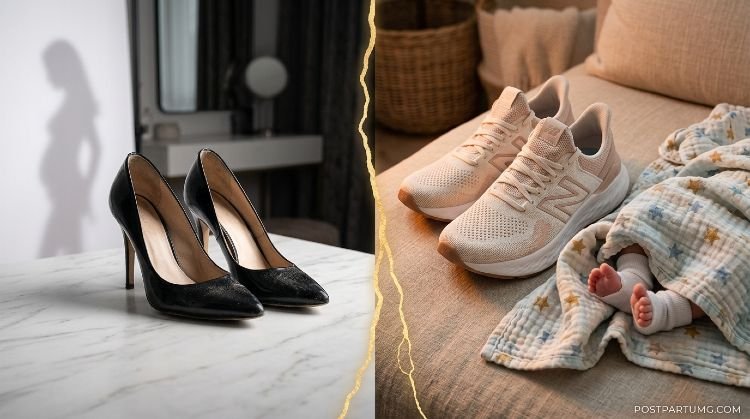
You reach for your favorite boots. The pair you’ve worn for years suddenly refuses to fit. You double-check the size label, but your feet have changed.
This surprise happens to many new mothers. You prepared for sleepless nights and core recovery, yet few resources mention that your shoe size may increase permanently after birth. Postpartum shoe size changes affect up to 70% of women after their first pregnancy — and the changes often last. This guide walks you through exactly why it happens, when your feet typically stabilize, and the practical steps you can take right now.
Why Pregnancy Triggers Lasting Foot Changes
The Role of Relaxin
The primary driver of postpartum foot changes is a hormone called relaxin. During pregnancy, your body produces relaxin to loosen ligaments and joints — preparing your pelvis for delivery. But relaxin isn’t selective. It softens ligaments throughout the entire body, including the feet.
A landmark 2013 study published in the American Journal of Physical Medicine and Rehabilitation followed women through pregnancy and found that the majority experienced measurable increases in arch length and foot width — and that these changes persisted after birth. The researchers concluded that permanent foot structure changes are a common, predictable consequence of pregnancy-related hormonal shifts.
When the inner arch flattens due to ligament laxity, the foot elongates. The bones shift slightly outward as the arch drops. The result is a foot that’s both longer and wider than it was before pregnancy.
How Extra Weight and Changed Posture Add Pressure
You carry an extra 25–35 pounds in the third trimester. Your center of gravity moves forward, and your walking pattern adjusts. This sustained load presses on already-softened foot structures for months.
The combination of relaxin-related ligament softening and mechanical load from weight gain reshapes the arch and widens the forefoot — even in pregnancies with lower-than-average weight gain. These two forces work together, which is why the changes are so consistent across women regardless of starting body composition.
Swelling vs. Permanent Structural Shifts
Fluid retention causes visible swelling in feet and ankles, especially in late pregnancy and the first weeks after birth. This temporary edema usually resolves within six to eight weeks.
However, the underlying ligament laxity and arch flattening often remain after swelling resolves. That’s why many mothers discover their true new shoe size only after the swelling fully subsides — what remains is structural, not fluid.

How Much Can Your Shoe Size Change After Pregnancy?
Research from the 2013 AJPM&R study and subsequent clinical observations shows consistent patterns.
| Change Type | Typical Range | Usually Permanent? |
|---|---|---|
| Length increase | ½ to 1 full size | Yes, for most after first baby |
| Width increase | ½ to full width (e.g., B to D) | Yes, in majority of cases |
| Arch height reduction | Mild to moderate flattening | Often remains without support |
| Swelling-only increase | 1–2 sizes during pregnancy | No — resolves within weeks postpartum |
| Changes in later pregnancies | Additional ¼ to ½ size | Cumulative but smaller increments |
Individual results differ based on genetics, number of pregnancies, and activity level during recovery.
Timeline: When Your Feet Usually Stabilize
| Timeframe | What’s Happening | What to Do |
|---|---|---|
| Third trimester | Maximum size from swelling and structural changes | Avoid buying expensive new shoes now |
| 0–6 weeks postpartum | Swelling often remains high; feet still in transition | Prioritize comfort and support; avoid heels |
| 6–12 weeks postpartum | Fluid retention decreasing; new baseline size emerging | Begin to notice your structural changes |
| 3–6 months postpartum | Foot dimensions stabilize for most women | Get professionally measured; invest in proper shoes |
| 12+ months postpartum | Changes largely settled; this is likely your permanent size | Focus on supportive footwear that fits correctly |
The three-to-six-month window is generally the best time for a professional measurement. Most stabilization happens here — swelling has resolved and structural changes have settled.

Practical Steps by Recovery Stage
First Six Weeks: Protect Healing Feet
- Wear supportive shoes or sandals with arch support as soon as you start walking more — never walk barefoot on hard floors in the early postpartum weeks
- Keep a supportive pair beside your bed for immediate use in the morning, when arch pain from plantar fasciitis is typically worst
- Elevate your feet when you sit to nurse or rest
- Perform ankle pumps — point and flex each foot 20 times — two to three times daily to reduce swelling and improve circulation
- Avoid high heels and minimalist flat shoes entirely during this period
Three to Six Months: Assess and Invest Wisely
- Visit a shoe store for a professional measurement that includes both length and width — many stores offer this at no charge
- If you feel heel or arch pain, schedule an appointment with a podiatrist. Early treatment for plantar fasciitis — one of the most common postpartum foot conditions — prevents months of discomfort
- According to the American Podiatric Medical Association (APMA), postpartum plantar fasciitis responds well to early conservative treatment including targeted stretching, proper footwear, and custom or over-the-counter orthotics
Build a simple daily foot routine:
- Put on supportive shoes within minutes of getting up
- Do two sets of 30-second calf stretches each evening
- Check your feet weekly for new redness, swelling, or pressure spots
Choosing Supportive Shoes That Last
Once your size stabilizes, prioritize these features in any shoe you buy:
- Wide toe box that allows natural toe spread without compression
- Firm heel counter that holds your heel securely and prevents rolling
- Removable insoles so you can add orthotics if needed
- Cushioned but stable sole that absorbs impact without collapsing underfoot
- Breathable materials to reduce moisture-related skin issues
Try shoes in the afternoon — feet tend to be slightly larger later in the day. Walk around the store for several minutes before purchasing. Always fit to your larger foot if there’s any asymmetry between the two.

The Emotional Side of Shoe Size Changes
Finding that your old shoes no longer fit can feel surprisingly disappointing. Those boots or heels often represent a pre-motherhood version of yourself. It’s completely normal to feel a sense of loss.
This reaction doesn’t mean you’re vain. It means you’re adjusting to a body that has done remarkable work — and that process takes time to absorb emotionally as well as physically.
Many mothers find it easier to choose new footwear after their feet and overall recovery have had more time to settle. Give yourself that permission. Focus on comfort and support rather than trying to return to a previous size.
If concerns about your postpartum body are affecting your daily life or mood more significantly, see our guide on postpartum weight retention for a broader look at how the body changes in the first year — and why that’s a normal, physiological process rather than a personal failure.
How Foot Changes Connect to Broader Postpartum Recovery
Postpartum shoe size changes rarely occur alone. The same relaxin that affects your feet also influences your pelvis, hips, and core stability. This hormonal breadth is why the pelvic floor and diastasis recti recovery often shares the same postpartum window as foot changes — they’re all driven by the same hormonal and mechanical forces working through the body during pregnancy and recovery.

Myth vs. Reality
| Common Myth | Reality Based on Current Evidence |
|---|---|
| Losing all pregnancy weight restores original shoe size | Weight loss reduces swelling but does not reverse ligament laxity or arch changes |
| Only mothers with high weight gain see foot changes | Relaxin affects feet regardless of weight gained — hormonal exposure is universal |
| Foot changes occur only after vaginal birth | Hormonal effects of relaxin happen with both vaginal and cesarean deliveries |
| Orthotics can fully reverse the changes | Orthotics provide excellent support and may prevent pain, but do not restore original arch height |
| Every pregnancy adds a full shoe size | Largest changes usually occur after the first birth; later pregnancies add smaller increments |
When to Contact Your Healthcare Provider
Most postpartum shoe size changes represent normal adaptations. Contact your provider promptly if you experience:
- Swelling significantly worse in one leg or foot than the other
- Warmth, redness, or calf tenderness in one leg
- Foot pain that prevents normal walking
- Numbness, tingling, or skin changes on your feet
- No improvement in swelling after six weeks postpartum
Seek immediate medical attention if you experience sudden one-sided leg swelling, warmth, and pain — these can indicate deep vein thrombosis (DVT), a serious condition that requires urgent evaluation.
Women with diabetes or circulation concerns should inspect their feet daily and involve their provider early in any foot care planning.
Frequently Asked Questions
Yes. Most people have a small natural size difference between feet. Pregnancy can increase that asymmetry. Always fit new shoes to your larger foot and use inserts in the smaller shoe if needed.
After 12 months, further spontaneous size change is uncommon. Your current size is likely permanent. Focus on supportive shoes that match your feet today rather than waiting for reversal that may not come.
Breastfeeding keeps certain hormone levels elevated for longer. Some evidence suggests foot laxity may persist a few extra months for breastfeeding mothers — but final structural outcomes remain similar regardless of feeding method.
You cannot completely prevent postpartum shoe size changes because relaxin is essential for delivery. You can reduce severity by wearing supportive shoes from the third trimester onward, avoiding long barefoot periods on hard surfaces, and following your provider’s weight-gain guidance.
Pain, especially in the heel or arch, often signals plantar fasciitis — one of the most common postpartum foot conditions. See a podiatrist promptly. Early action significantly shortens recovery time. Treatment usually includes targeted stretches, supportive footwear, and sometimes night splints.
If your arches have flattened noticeably, preventive orthotics can reduce the risk of future pain. A podiatrist can evaluate your specific feet and advise whether over-the-counter or custom inserts make sense for your situation.
Stretching narrow shoes often creates pressure points that lead to blisters or bunions. Invest in properly fitted new shoes. Your daily comfort and foot health matter more than sentimental attachment to old pairs.
Sources
- Segal, N.A. et al. — “Pregnancy Leads to Lasting Changes in Foot Structure,” American Journal of Physical Medicine and Rehabilitation (2013) — the foundational study on permanent postpartum foot changes
- American Podiatric Medical Association (APMA) — Foot Health and Pregnancy
- American College of Obstetricians and Gynecologists (ACOG) — Postpartum Care Guidelines
- National Institutes of Health (NIH) — Relaxin and Ligament Laxity During Pregnancy Research
- Postpartum Support International (PSI) — Postpartum Resources
All information reflects evidence available as of 2026.


