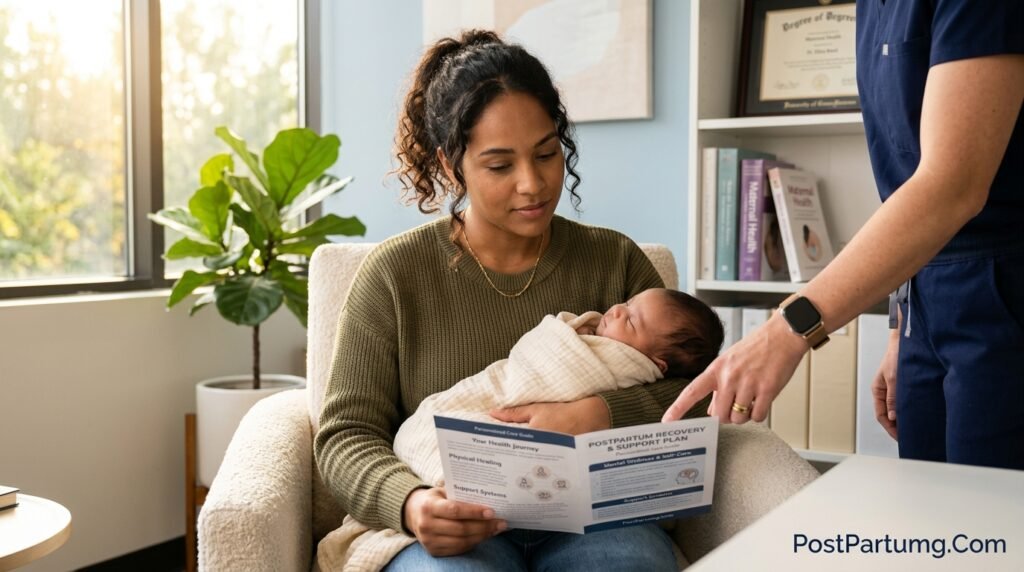




When Maria gave birth in rural Mexico, her mother-in-law wrapped her belly with traditional fabrics and insisted she stay indoors for 40 days—a practice called la cuarentena. Meanwhile, halfway across the world in Tokyo, Yuki returned to work six weeks postpartum, her emotional struggles dismissed as gaman (endurance). Both women experienced crushing sadness, yet their cultural contexts shaped whether their symptoms were recognized, validated, or treated.
Maternal mental health doesn’t exist in a vacuum. Research suggests that cultural beliefs profoundly influence how postpartum depression manifests, how families respond, and whether mothers seek help. Understanding these global variations isn’t just academically interesting—it’s essential for healthcare providers working with diverse populations and mothers navigating their own recovery.
⚕️ Medical Disclaimer:
This article provides educational information about cultural perspectives on postpartum depression and does not constitute medical advice. Postpartum mood disorders require professional evaluation. If you’re experiencing symptoms of depression, suicidal thoughts, or difficulty bonding with your infant, contact your healthcare provider immediately or call the National Maternal Mental Health Hotline at 1-833-943-5746.
💡 Key Takeaways
- ✅ Postpartum depression rates vary globally from 10-60% depending on screening methods and cultural reporting patterns
- ✅ Cultural concepts like Latin American susto, Asian “wind illness,” and West African spiritual attacks shape symptom expression
- ✅ Collectivist cultures may offer stronger postpartum support systems but also create barriers to disclosing mental health struggles
- ✅ The International Postpartum Screening Protocol now includes culturally adapted versions of the Edinburgh Postnatal Depression Scale
- ✅ Digital mental health tools with multilingual AI-driven chatbots are bridging treatment gaps in underserved communities
The Cultural Lens: How Geography Shapes Maternal Mental Health
Postpartum depression doesn’t look identical in Seoul, São Paulo, or Stockholm. While the biological underpinnings remain consistent—hormonal fluctuations, sleep deprivation, neurochemical changes—the cultural interpretation of these symptoms varies dramatically.
In Western industrialized nations, postpartum depression has gained recognition as a medical condition requiring treatment. The DSM-5 criteria focus on individual symptoms: persistent sadness, loss of interest, sleep disturbances, and difficulty bonding. Healthcare systems screen mothers routinely, and pharmacological interventions are widely accepted.
Contrast this with traditional societies where postpartum distress may be attributed to supernatural causes. According to the World Health Organization, cultural factors significantly influence how postpartum mental health conditions are identified and treated across different populations. In some West African communities, persistent crying or withdrawal might be interpreted as spirit possession rather than depression. This doesn’t mean the suffering is less real—it means the pathway to healing follows different cultural logic.
Asian Perspectives: Collectivism, Postpartum Practices, and Silent Suffering
East and South Asian cultures maintain elaborate postpartum confinement traditions—practices that simultaneously offer protection and create unique psychological pressures.
The Chinese Zuo Yuezi System
The month-long zuo yuezi (sitting the month) dictates strict behavioral rules: no bathing, no cold foods, limited visitors, and constant supervision by mothers-in-law. Research from the Journal of Cross-Cultural Psychology shows this practice correlates with both protective factors (social support, practical help) and risk factors (loss of autonomy, intergenerational conflict) for postpartum mood disorders.
Modern Chinese mothers face a collision of expectations—traditional practices clash with evidence-based medical advice, creating confusion and guilt that can exacerbate depressive symptoms. For mothers navigating these challenges, understanding postpartum depression duration becomes critical for setting realistic recovery expectations.

Japanese Gaman and Mental Health Stigma
Japanese culture’s emphasis on gaman (perseverance through hardship) creates formidable barriers to seeking mental health treatment. Research from Asian psychiatric institutions found that only a minority of Japanese mothers with clinically significant postpartum depression scores sought professional help.
The cultural expectation that mothers should experience only joy and gratitude makes acknowledging depression feel like moral failure. This stigma extends across many Asian cultures, where maintaining family harmony often takes precedence over individual wellbeing.
Latin American Contexts: Familismo, Traditional Healers, and Susto
Latin American cultures demonstrate how strong family networks can both buffer against and complicate postpartum mental health.
Protective Factors in Collectivist Family Structures
The concept of familismo—prioritizing family cohesion and mutual support—means new mothers rarely face postpartum recovery alone. Grandmothers, aunts, and sisters typically provide hands-on childcare assistance, meal preparation, and emotional support during la cuarentena.
Studies indicate that Latina mothers with active extended family involvement report significantly lower rates of severe postpartum depression compared to those without family support. Resources like postpartum support groups can replicate these community benefits for mothers lacking family proximity.
Cultural Syndromes and Alternative Explanations
Traditional explanatory models shape how symptoms are interpreted. Susto (soul loss from fright), nervios (nerve condition), and ataque de nervios (emotional crisis) provide culturally resonant frameworks for understanding postpartum distress.
These concepts aren’t merely folkloric—they represent legitimate cultural idioms of distress that require clinical respect. A mother who believes her depression stems from mal de ojo (evil eye) may find conventional antidepressant treatment incomplete without also addressing spiritual concerns through curanderas or faith-based healing.
Sub-Saharan African Perspectives: Community Support and Spiritual Interpretations
African cultures demonstrate remarkable diversity in postpartum practices, yet several common themes emerge regarding maternal mental health.
The Ubuntu Philosophy and Communal Childrearing
The Southern African concept of ubuntu—”I am because we are”—extends to postpartum care. Traditional practices often involve the entire community in supporting new mothers through practical assistance, ritual celebrations, and knowledge transmission from elder women.
Research from the African Journal of Reproductive Health suggests that mothers in communities maintaining traditional support structures experience lower depression rates than those in rapidly urbanizing areas where these practices have eroded.
Spiritual Attributions and Treatment-Seeking Delays
When postpartum symptoms are attributed to witchcraft, ancestral displeasure, or spiritual imbalance, mothers may consult traditional healers before or instead of medical professionals. East African medical research found that mothers with postpartum psychosis symptoms often initially sought traditional healing, delaying evidence-based psychiatric intervention.
This creates a critical challenge for healthcare providers: how to honor cultural beliefs while ensuring mothers receive timely, effective treatment.
Middle Eastern and North African Contexts: Gender Roles and Access Barriers
Postpartum depression in MENA regions intersects with gender norms, religious practices, and healthcare access challenges.
The 40-Day Postpartum Period Across Islamic Cultures
Similar to Asian and Latin American traditions, many Islamic cultures observe a 40-day postpartum recovery period (nifas), during which mothers are excused from certain religious obligations and receive intensive family support.
Studies indicate these practices provide genuine mental health benefits when accompanied by emotional validation, but can exacerbate isolation when interpreted rigidly. The quality of family relationships during this period significantly predicts postpartum mental health outcomes.
Healthcare Access and Gender-Specific Barriers
In conservative regions, women may require male guardian permission to access healthcare, creating dangerous delays in treatment. Maternal mental health services remain severely underdeveloped across much of the region, with some countries having fewer than one psychiatrist per 500,000 people.
The World Health Organization’s maternal mental health initiatives have begun training primary care providers in culturally adapted perinatal mental health screening across MENA countries, showing promising early results in case identification.
Western Individualism: Independence Pressures and Treatment Access
Industrialized Western nations demonstrate a paradox: robust mental health infrastructure alongside cultural expectations that intensify postpartum struggles.
The “Supermom” Myth and Performance Pressure
American and European mothers often face unrealistic expectations of returning to pre-pregnancy bodies, careers, and lifestyles within weeks of delivery. Social media amplifies comparison culture, where carefully curated images of maternal bliss make genuine struggles feel shameful.
Research suggests that mothers in highly individualistic cultures report greater isolation and pressure to achieve postpartum milestones independently. The nuclear family structure means fewer built-in support systems compared to extended family cultures.
For first-time mothers navigating these pressures, accessing resources like postpartum support for first-time moms becomes particularly valuable.
Advanced Treatment Access With Utilization Gaps
Despite having sophisticated healthcare systems, Western nations show concerning treatment gaps. According to the Centers for Disease Control and Prevention, a significant percentage of mothers with diagnosed postpartum depression do not receive adequate treatment.
Barriers include cost, childcare challenges, provider shortages, and persistent stigma despite increased awareness campaigns. The gap between diagnosis and treatment remains a critical public health concern.
Screening and Diagnosis Across Cultural Contexts
The Edinburgh Postnatal Depression Scale (EPDS) has been translated into over 60 languages, but translation alone doesn’t ensure cultural validity.
Culturally Adapted Assessment Tools
Current international postpartum screening protocols introduce culturally adapted versions that modify not just language but conceptual frameworks. For example, Arabic versions now include items assessing spiritual distress, while collectivist-culture versions evaluate family relationship quality rather than focusing exclusively on individual symptoms.
These adaptations improve sensitivity—the ability to correctly identify depression in diverse populations—by accounting for how symptoms manifest within specific cultural contexts.
The Role of Somatic Symptoms
In many non-Western cultures, psychological distress presents primarily through physical symptoms: headaches, body aches, digestive problems, and fatigue. The National Institute of Mental Health research indicates that standard Western screening tools may miss depression when mothers don’t report sadness or hopelessness but instead describe chronic pain or weakness.
Culturally competent screening requires providers to recognize these somatization patterns as legitimate expressions of postpartum depression requiring treatment.
Treatment Approaches: Integrating Cultural Values With Evidence-Based Care
Effective postpartum depression treatment respects cultural contexts while ensuring mothers receive interventions supported by clinical evidence.
🌍 Cultural Considerations in Treatment
Effective postpartum mental health care integrates cultural values, beliefs, and practices with evidence-based treatments.
💡 Cultural Humility: These are general frameworks, not stereotypes. Individual preferences vary widely within any cultural group. Always prioritize person-centered, collaborative care planning.
📱 Scroll horizontally on mobile to view all columns

The Rise of Digital Mental Health Tools
AI-driven chatbots with cultural and linguistic adaptations have emerged as valuable tools for underserved populations. Digital platforms now offer screening, psychoeducation, and cognitive behavioral therapy exercises in multiple languages with cultural customization based on user location and preferences.
Early studies show strong engagement rates among mothers who wouldn’t otherwise access traditional mental health services, though digital tools work best as supplements to—not replacements for—human clinical care.
Migration and Acculturation: Unique Challenges for Immigrant Mothers
Mothers who give birth outside their culture of origin face compounded risk factors for postpartum depression.
Loss of Traditional Support Systems
Immigrant mothers often lack the extended family networks their cultures traditionally provide during the postpartum period. A Korean mother in London or a Nigerian mother in Toronto may face postpartum recovery without the cultural practices that would normally buffer against depression.
Studies indicate immigrant mothers show 1.5 to 2 times higher postpartum depression rates compared to both host-country natives and women in their countries of origin.
Acculturation Stress and Identity Conflicts
Navigating conflicting cultural expectations while recovering from birth creates unique psychological strain. Mothers may feel pressure to adopt host-country parenting practices while maintaining heritage culture values, experiencing criticism from both communities.
Healthcare providers can help by validating these conflicts, connecting mothers with culturally concordant support like post-partum doulas who understand cultural practices, and normalizing the complexity of cross-cultural postpartum experiences.
Healthcare Provider Responsibilities: Delivering Culturally Humble Care
Medical professionals working with diverse populations must develop cultural humility—an ongoing commitment to self-reflection and learning rather than claiming cultural “competence.”
Essential Practices for Culturally Responsive Care
Effective providers ask open-ended questions about cultural beliefs rather than making assumptions: “What does your family believe about the postpartum period?” “Are there traditional practices that are important to you?” “How does your community typically support new mothers?”
Documentation should include cultural factors influencing mental health and treatment preferences. When recommending interventions, providers should explicitly discuss how treatments align with or challenge cultural values, collaboratively problem-solving barriers.
Language Access and Interpretation Services
Working through professional interpreters—not family members who may filter sensitive content—ensures accurate assessment and informed consent. Current healthcare standards require perinatal mental health screening in the patient’s preferred language using validated translated tools.
Building Bridges: Universal Elements Across Cultures
Despite vast cultural differences, certain elements appear universally protective against postpartum depression.
The Healing Power of Validation
Across all cultures studied, mothers who feel heard, validated, and supported in their struggles show better mental health outcomes. Whether that validation comes from a psychiatrist in Stockholm, a grandmother in Mumbai, or a traditional healer in Accra, the psychological impact remains profound.
Practical Support and Reduced Workload
Mothers universally benefit when others assume household responsibilities, provide childcare assistance, and ensure adequate rest. The specific cultural packaging varies—whether it’s hired postpartum doulas in California or traditional confinement ladies in Singapore—but the underlying protective mechanism remains consistent.
Understanding normal postpartum physical recovery, like how long postpartum bleeding lasts, also helps mothers set realistic expectations and reduce anxiety during this vulnerable period.

Frequently Asked Questions
Reported rates vary from 10-60% depending on screening methods, cultural reporting patterns, and access to mental health services, though biological vulnerability appears universal.
Traditional support practices may reduce risk but cannot eliminate it entirely, as postpartum depression has biological, psychological, and social components that interact with cultural factors.
Neither/both—mothers benefit most from combining elements that feel personally meaningful while ensuring evidence-based medical care remains accessible when needed.
Using culturally validated tools administered in preferred languages, asking about culturally specific symptoms, and recognizing that distress may present through physical rather than emotional symptoms.
Acceptance varies widely, from routine use in Western countries to significant resistance in cultures preferring natural remedies—effective care respects these preferences while ensuring treatment adequacy.
Moving Forward: A Global Call for Culturally Informed Maternal Mental Health
Postpartum depression transcends borders, yet culture profoundly shapes every aspect of the experience. The mother in Mexico City, Tokyo, Lagos, or Copenhagen each deserves recognition of her unique cultural context alongside access to effective, evidence-based treatment.
The global mental health landscape shows encouraging progress: culturally adapted screening tools, digital health innovations reaching underserved populations, and growing recognition that honoring cultural diversity strengthens rather than dilutes clinical care. Yet significant work remains in training providers, reducing stigma across all cultures, and ensuring that every mother—regardless of geography, ethnicity, or cultural background—can access the support she needs to thrive.
For mothers themselves, understanding that postpartum depression manifests differently across cultures can provide both validation and hope. Your experience is real, your cultural context matters, and effective help exists that can respect both.
References and Sources
- World Health Organization: Maternal Mental Health
- Centers for Disease Control and Prevention: Depression Among Women
- National Institute of Mental Health: Perinatal Depression
- Journal of Cross-Cultural Psychology
- African Journal of Reproductive Health
- Transcultural Psychiatry Journal
About the Author
Dr. Sarah Mitchell is a perinatal mental health researcher specializing in cross-cultural maternal health outcomes. She holds a Ph.D. in Global Health from Johns Hopkins University and has conducted field research on postpartum practices across 15 countries. Dr. Mitchell has published over 40 peer-reviewed articles on cultural factors in maternal mental health and serves as a consultant to international maternal health initiatives.
Fact-Checked: April 2026 | Last Medical Review: April 2026