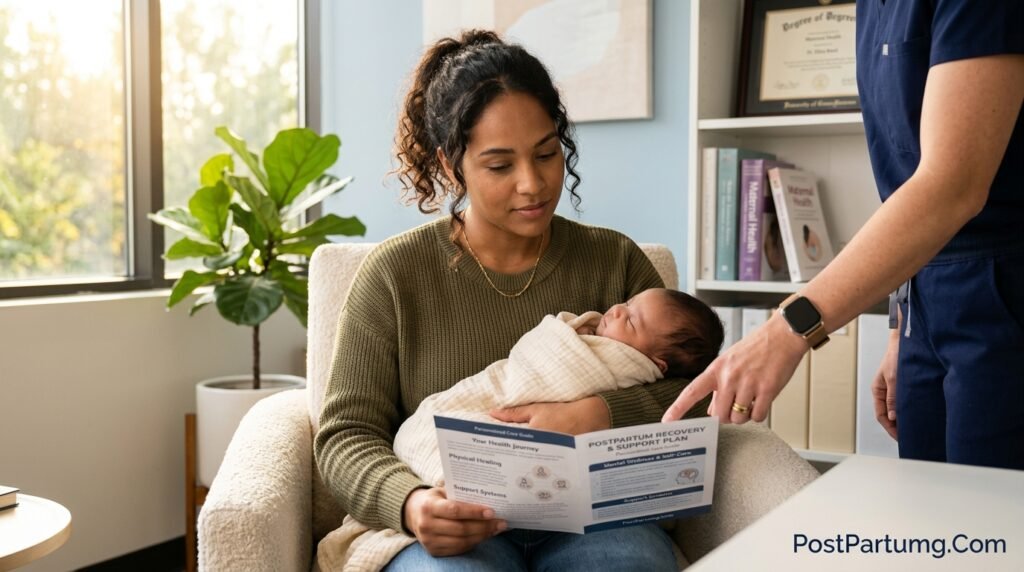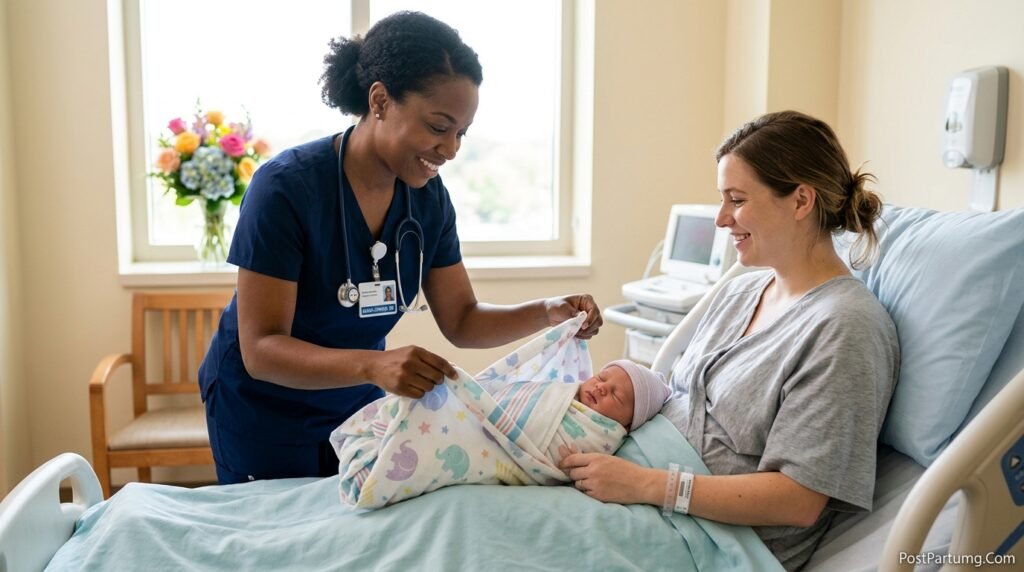


Every 40 seconds, a woman gives birth somewhere in the world. Behind each delivery stands a specialized healthcare professional who bridges the critical gap between childbirth and recovery—the postpartum nurse. As maternal health challenges evolve and postpartum complications receive heightened attention in 2026, these specialized nurses have become indispensable guardians of maternal wellbeing during the most vulnerable weeks following delivery.
Key Takeaways
-
1
Postpartum nurses specialize in maternal and newborn care during the critical recovery period following childbirth.
-
2
Average postpartum nurse salary in 2026 ranges from $68,000–$92,000 annually, with geographic and experience-based variations.
-
3
Career paths include hospital-based positions, home health services, and emerging telehealth maternal support roles.
-
4
Evidence-based care products focus on healing support, infection prevention, and breastfeeding facilitation.
-
5
AI-assisted maternal monitoring systems introduced in 2025-2026 are transforming postpartum care protocols.
-
6
Certification through organizations like AWHONN enhances career prospects and clinical competency.
What Is a Postpartum Nurse?
Postpartum nurses provide specialized care to mothers and newborns during the recovery period following delivery, typically spanning the first six weeks after birth. Unlike labor and delivery nurses who focus on the birthing process, postpartum nurses address recovery complications, newborn adaptation, feeding establishment, and early parent education.
These professionals monitor vital signs, assess surgical incision healing, manage pain protocols, identify warning signs of conditions like postpartum hemorrhage or infection, and provide mental health screening. Research suggests that skilled postpartum nursing intervention reduces maternal readmission rates by approximately 20-30%.
The scope of practice encompasses physical recovery assessment, lactation support, newborn care instruction, postpartum depression screening, and discharge planning. Many postpartum nurses also coordinate with social services, physical therapists, and mental health specialists to provide holistic maternal care.
Educational Requirements and Certification Pathways
Entry into postpartum nursing requires a registered nursing license, obtained through either an Associate Degree in Nursing (ADN) or Bachelor of Science in Nursing (BSN). As of 2026, approximately 78% of hospital systems prefer or require BSN-prepared nurses for maternal-child health positions.
After obtaining RN licensure through NCLEX-RN examination, nurses typically complete 6-12 months of general medical-surgical experience before transitioning to postpartum specialty units. Many facilities provide structured orientation programs lasting 8-16 weeks with experienced preceptors.
The Inpatient Obstetric Nursing (RNC-OB) certification through the National Certification Corporation validates specialized knowledge. The Association of Women’s Health, Obstetric and Neonatal Nurses (AWHONN) offers evidence-based education programs including the Intermediate Fetal Monitoring Course and Neonatal Resuscitation Program.
Advanced practitioners may pursue Women’s Health Nurse Practitioner (WHNP) credentials, enabling autonomous practice in postpartum clinics and expanded prescriptive authority for maternal health conditions.
Postpartum Nurse Salary Breakdown for 2026
Compensation for postpartum nurses varies significantly based on geographic location, experience level, facility type, and additional certifications. According to 2026 data, registered nurses specializing in maternal-newborn care earn median salaries ranging from $68,000 to $92,000 annually.
| Experience Level | Average Annual Salary | Hourly Rate |
|---|---|---|
| 🌱 Entry Level (0-2 years) | $64,000 – $72,000 | $30.77 – $34.62 |
| 📈 Mid-Career (3-5 years) | $72,000 – $84,000 | $34.62 – $40.38 |
| 💼 Experienced (6-10 years) | $84,000 – $96,000 | $40.38 – $46.15 |
| 👑 Senior Level (10+ years) | $96,000 – $108,000 | $46.15 – $51.92 |
💡 Salaries vary by location, setting, and specialization
📱 Scroll horizontally on mobile to view all columns
Geographic location substantially impacts earning potential. Metropolitan areas with high living costs—including San Francisco, New York, and Boston—offer salaries 25-40% above national averages. California postpartum nurses average $102,000 annually, while those in rural Southern states may earn $58,000-$65,000 for comparable positions.
Shift differentials provide additional compensation, with night shifts typically earning 15-20% premiums and weekend coverage adding 10-15% to base pay. Travel postpartum nurses command premium rates, often earning $2,100-$2,800 weekly with housing stipends.
Certification bonuses range from $1,000-$3,000 annually for credentials like RNC-OB or Certified Lactation Counselor (CLC). Magnet-designated hospitals, which emphasize nursing excellence, generally offer 8-12% higher compensation packages.
Career Opportunities and Job Settings
Postpartum nursing careers extend beyond traditional hospital maternity units. Hospital-based postpartum units remain the most common setting, where nurses manage 3-5 mother-baby couplets per shift, monitoring recovery progress and providing education before discharge.
Birth centers emphasize family-centered care in lower-intervention settings, with postpartum nurses supporting physiologic recovery and extended bonding periods. These facilities typically serve low-risk mothers and maintain nurse-to-patient ratios of 1:2 or 1:3.
Home health postpartum nursing has expanded significantly, with nurses conducting in-home assessments within 48-72 hours of hospital discharge. This model addresses readmission prevention, breastfeeding troubleshooting, and early complication detection. Studies indicate home visits reduce postpartum emergency department utilization by approximately 30-35%.
Telehealth maternal support positions emerged rapidly in 2024-2026, with nurses providing virtual lactation consultation, recovery assessments, and mental health screening through HIPAA-compliant platforms. These roles offer scheduling flexibility and eliminate geographic barriers to specialized care.
NICU collaboration positions involve specialized postpartum nurses supporting mothers of premature or medically complex infants, addressing unique emotional challenges and facilitating skin-to-skin contact protocols. Understanding postpartum PTSD becomes particularly relevant in these high-stress situations.
Lactation consultant roles represent a specialized career pathway, requiring International Board Certified Lactation Consultant (IBCLC) certification. These professionals address complex feeding challenges, tongue-tie assessment, and milk supply optimization.
Essential Skills and Competencies
Clinical assessment skills form the foundation of postpartum nursing practice. Nurses must identify subtle changes indicating hemorrhage, infection, hypertensive disorders, or thromboembolism. Fundal assessment, lochia evaluation, incision inspection, and vital sign interpretation require meticulous attention.
Lactation knowledge enables nurses to support diverse feeding methods, troubleshoot positioning challenges, assess milk transfer, and recognize conditions like mastitis or insufficient glandular tissue. Evidence suggests that early lactation support increases breastfeeding continuation rates at six months by approximately 20-30%.
Emotional intelligence proves critical when addressing perinatal mood disorders. Postpartum nurses conduct validated depression screenings using tools like the Edinburgh Postnatal Depression Scale, recognize warning signs requiring psychiatric intervention, and provide compassionate support. Awareness of how to spread awareness on postpartum depression enhances community impact.

Cultural competency addresses diverse beliefs, practices, and preferences surrounding postpartum recovery. Understanding postpartum depression in different cultures enables personalized, respectful care that acknowledges varying traditions regarding nutrition, rest periods, and family involvement.
Communication skills facilitate patient education covering topics from perineal care to safe sleep guidelines. Nurses must translate complex medical information into accessible language while assessing health literacy and learning preferences.
Crisis management capabilities prepare nurses for obstetric emergencies including postpartum hemorrhage, eclampsia, and neonatal resuscitation. Regular simulation training maintains procedural competency and team coordination.
2026 Technology Integration in Postpartum Care
AI-assisted maternal monitoring systems represent the most significant technological advancement in postpartum care since 2025. These platforms analyze vital sign patterns, predict hemorrhage risk through machine learning algorithms, and alert nursing staff to subtle deterioration indicators. Early adopter facilities report significant improvements in early complication detection.
Wearable postpartum monitoring devices track heart rate variability, activity levels, and sleep patterns, transmitting data to healthcare providers. These tools enable continuous assessment beyond hospital walls, particularly valuable for patients with hypertensive disorders or cardiac conditions.
Electronic health record integration now incorporates predictive analytics identifying patients at elevated risk for readmission, enabling targeted intervention and follow-up scheduling. These systems flag concerning trends like inadequate weight loss, persistent tachycardia, or missed appointments.
Telehealth platforms with high-definition video capabilities facilitate virtual wound checks, feeding assessments, and mental health screenings. Secure messaging allows patients to submit photos of incisions or ask questions without office visits, reducing access barriers.
Mobile applications provide evidence-based postpartum education, medication reminders, and symptom tracking. Many integrate with provider dashboards, creating bidirectional communication channels between patients and care teams.
Evidence-Based Care Products for Postpartum Recovery
Postpartum nurses recommend products based on clinical evidence supporting healing, comfort, and complication prevention. Perineal care products address the common need after vaginal deliveries involving laceration or episiotomy.
Peri-bottles with angled nozzles facilitate gentle cleansing without tissue trauma. Witch hazel pads provide cooling comfort and may reduce inflammation through tannin content. Reusable ice packs specifically designed for perineal application offer immediate post-delivery pain relief.
Abdominal binders provide compression support following cesarean delivery, potentially reducing incisional pain and supporting early mobilization. However, evidence regarding surgical recovery enhancement remains mixed, with some studies showing modest benefit and others finding no significant difference.
Hospital-grade breast pumps maintain milk supply when direct nursing proves challenging. These devices generate stronger suction than consumer models and accommodate frequent pumping schedules necessary for supply establishment or NICU situations.
Nipple care products including purified lanolin or hydrogel pads address the 80-90% of breastfeeding mothers experiencing some nipple discomfort in early weeks. Silverette nursing cups have gained popularity in 2025-2026, though rigorous clinical trials validating superiority over traditional interventions remain limited.
Postpartum compression garments claim to support abdominal muscle recovery and reduce diastasis recti, though 2026 research indicates benefits may be primarily comfort-related rather than physiologically corrective. Nurses should guide realistic expectations while supporting patient preferences.
Stool softeners and fiber supplements address the constipation affecting 25-40% of postpartum women, particularly following opioid pain management or with perineal trauma concerns. Adequate hydration and early mobilization complement pharmaceutical interventions.
Addressing Postpartum Mental Health
Postpartum nurses serve as frontline mental health screeners, conducting validated assessments at multiple timepoints during hospital stays and follow-up visits. The American College of Obstetricians and Gynecologists recommends screening at the postpartum visit, though many protocols now include earlier assessment.
Distinguishing between postpartum blues—affecting 50-80% of mothers with self-limited symptoms resolving within two weeks—and clinical postpartum depression requiring intervention represents a critical nursing skill. Red flags include intrusive thoughts, severe anxiety, inability to sleep despite opportunity, or thoughts of self-harm.
Research indicates that early intervention for perinatal mood disorders improves maternal bonding, breastfeeding success, and infant developmental outcomes. Nurses provide education normalizing emotional challenges while clearly communicating when professional mental health support becomes necessary.
Exploring postpartum depression treatment without medication offers patients evidence-based alternatives or complementary approaches including cognitive behavioral therapy, interpersonal therapy, and structured support groups. However, nurses must recognize when pharmacologic intervention becomes medically appropriate.
Risk factor assessment identifies women with elevated vulnerability including prior mood disorders, limited social support, birth trauma, NICU admission, or unplanned pregnancy. These patients benefit from enhanced monitoring and proactive resource connection.
Postpartum psychosis, though rare (affecting 1-2 per 1,000 deliveries), represents a psychiatric emergency requiring immediate intervention. Nurses must recognize warning signs including confusion, paranoia, hallucinations, or bizarre behavior, and initiate rapid response protocols.
Professional Development and Career Advancement
Career advancement pathways enable postpartum nurses to expand influence and earning potential. Charge nurse positions involve shift coordination, staff assignment, and frontline problem-solving, typically requiring 3-5 years of experience and adding $5,000-$12,000 to base compensation.
Clinical nurse specialist roles focus on evidence-based practice implementation, staff education development, and quality improvement initiatives. These positions require master’s-level education and influence departmental protocols and patient outcomes.
Nurse manager positions oversee entire postpartum units, managing budgets, staffing patterns, regulatory compliance, and strategic planning. These leadership roles command salaries ranging from $95,000-$135,000 depending on facility size and geographic location.
Lactation consultant certification through the International Board of Lactation Consultant Examiners (IBLCE) requires 90 hours of lactation-specific education and clinical experience. IBCLCs work in hospitals, private practice, and WIC programs, with salaries averaging $65,000-$85,000.
Academic positions in nursing education programs allow experienced postpartum nurses to shape the next generation of maternal-child health specialists. These roles require advanced degrees (MSN or PhD) and offer intellectual stimulation alongside teaching responsibilities.
Consulting opportunities exist for nurses with specialized expertise in quality improvement, electronic health record optimization, or maternal safety initiatives. These positions leverage clinical experience in system-level change work.
Job Search Strategies and Application Success
Identifying ideal postpartum nursing positions requires research into facility culture, nurse-to-patient ratios, orientation programs, and professional development support. Magnet-designated hospitals demonstrate commitment to nursing excellence and typically offer structured career ladders.
Networking through professional organizations like AWHONN provides job leads, mentorship connections, and insider perspectives on workplace environments. Many positions fill through internal referrals before public posting.
Resume optimization highlights relevant clinical experiences including high-risk obstetrics, lactation support, neonatal resuscitation certification, and any bilingual capabilities. Quantifiable achievements—such as “reduced unit medication errors by 34% through protocol revision”—demonstrate impact.
Cover letters should articulate specific interest in postpartum nursing beyond general maternal-child health, referencing evidence-based practices or patient populations of particular interest. Generic applications rarely succeed in competitive markets.
Interview preparation includes reviewing common obstetric emergency scenarios, articulating nursing philosophy regarding family-centered care, and preparing thoughtful questions about orientation structure, continuing education support, and advancement opportunities.
Certification timing proves strategic—obtaining RNC-OB certification before job searching demonstrates commitment and may differentiate candidates, though some employers support certification pursuit after hiring.
New graduate residency programs specifically designed for maternal-child health provide extended orientation (often 6-12 months) with classroom education, simulation, and graduated responsibility. These structured programs significantly improve retention and confidence.
FAQ
The timeline ranges from 2-4 years: ADN programs require 2-3 years, BSN programs need 4 years, plus NCLEX-RN passage and typically 6-12 months of general nursing experience before specializing.
Yes, though BSN-prepared nurses increasingly receive hiring preference. Many ADN-prepared nurses successfully enter postpartum nursing and pursue BSN completion through RN-to-BSN programs while working.
Labor and delivery nurses focus on the active childbirth process, while postpartum nurses care for mothers and newborns during the recovery period after delivery, addressing healing, feeding establishment, and discharge preparation.
Most hospital-based postpartum nurses work 12-hour shifts (days or nights) in three-per-week schedules, though 8-hour shifts, weekend programs, and per-diem arrangements exist depending on facility staffing models.
The specialty involves emotional intensity, clinical complexity, and high-stakes decision-making, but many nurses find deep satisfaction in supporting families during transformative life transitions. Stress management and workplace support systems prove essential.
Sources and References
- Bureau of Labor Statistics. (2026). Occupational Employment and Wage Statistics: Registered Nurses. U.S. Department of Labor.
- American College of Obstetricians and Gynecologists. (2025). Committee Opinion: Screening and Diagnosis of Mental Health Conditions During the Perinatal Period.
- Association of Women’s Health, Obstetric and Neonatal Nurses. (2026). Standards for Professional Nursing Practice in the Care of Women and Newborns.
- Centers for Disease Control and Prevention. (2025). Pregnancy Mortality Surveillance System.
- National Certification Corporation. (2026). RNC-OB Certification Handbook.
- American Association of Colleges of Nursing. (2026). Nursing Workforce Data.
Fact-Checked: April 2026 | Medical Review: Content verified against current AWHONN clinical practice guidelines and 2026 ACOG recommendations.