Postpartum Depression Treatment Without Medication: Natural & Therapy Options


You just brought a new life into the world — so why does everything feel so dark? Maybe you cry without reason, snap at people you love, or lie awake even when the baby’s finally sleeping. And maybe — on top of all that — you don’t want to take antidepressants. Perhaps you’re breastfeeding and worried about what passes through your milk. Or maybe pills just don’t feel right for you. Whatever the reason, here’s what matters: postpartum depression treatment without medication is real, it’s evidence-based, and it works for many mothers.
This article is for you if you’re a new mom (or partner, family member, or friend of one) exploring drug-free ways to treat postpartum depression. We’ll walk through proven therapy approaches, lifestyle shifts, nutritional strategies, and holistic practices backed by research. You’ll also learn when professional help becomes necessary — because sometimes, medication truly is the best path forward, and there’s zero shame in that either.
Medical Disclaimer: This article is for informational purposes only and is not a substitute for professional medical advice, diagnosis, or treatment. Always consult a qualified healthcare provider with any questions about your health or a medical condition. If you or someone you know is in crisis, call the 988 Suicide & Crisis Lifeline (call or text 988) or go to the nearest emergency room.
📋 Key Takeaways
- Postpartum depression (PPD) can be treated without medication through therapy, lifestyle changes, and holistic strategies — depending on the severity.
- Cognitive Behavioral Therapy (CBT) and Interpersonal Therapy (IPT) are two of the most well-researched non-medication treatments for PPD.
- Exercise, proper nutrition (including omega-3 fatty acids), quality sleep, and social support all play meaningful roles in postpartum mood recovery.
- Mindfulness techniques, support groups for new mothers, and maternal self-care practices can complement professional treatment.
- Non-medication options work best for mild to moderate PPD. Severe cases may still require medication — and that’s okay.
- Always talk to a licensed therapist or healthcare provider before making treatment decisions.

Why Some Mothers Choose Drug-Free Postpartum Recovery
Not every mother who struggles with PPD wants to reach for a prescription bottle. And that’s a completely valid choice — as long as it’s an informed one.
Some new parents worry about how antidepressants might affect breastfeeding. Others have had bad experiences with medication side effects in the past. A few simply prefer to try natural or therapeutic approaches first. Research from the American Psychological Association confirms that non-pharmaceutical treatments for new mom depression can be effective, especially for mild to moderate cases.
Here’s the thing, though — choosing treatment without medication doesn’t mean choosing no treatment. Untreated PPD doesn’t just affect you. It can impact your baby’s development, your relationships, and your ability to function day to day. The goal is finding what works, and then actually doing it.
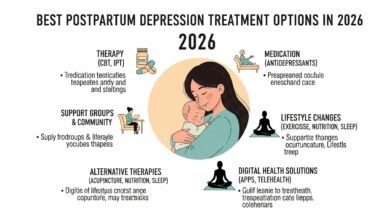
If you’re still learning about all available options, our guide to the best postpartum depression treatment options covers both medication-based and drug-free approaches side by side.
Understanding the Severity Spectrum
PPD isn’t one-size-fits-all. It ranges from mild to severe, and the right treatment depends on where you fall on that spectrum.
Mild PPD often responds well to therapy, lifestyle changes, and social support alone. Moderate PPD may benefit from a combination of structured therapy plus holistic strategies. Severe PPD — especially when thoughts of self-harm or harming your baby are present — almost always requires professional medical intervention, which may include medication.
A licensed therapist or your OB-GYN can help you figure out the severity of what you’re experiencing. That assessment is the first step — before you decide on any treatment path.
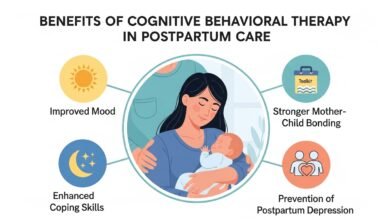
How Cognitive Behavioral Therapy Helps New Moms Heal
If there’s one therapy approach with strong evidence behind it for postpartum mental health, it’s Cognitive Behavioral Therapy (CBT). And it doesn’t require a single pill.
CBT works by helping you identify negative thought patterns and replace them with more realistic, balanced ones. For a new mother with PPD, those thoughts might sound like:
- “I’m a terrible mother.”
- “My baby would be better off without me.”
- “I’ll never feel like myself again.”
A trained CBT therapist helps you catch these thoughts, examine the evidence for and against them, and develop healthier responses. Over time, this rewires how you process stress, guilt, and the overwhelming emotions that come with new parenthood.
Research published on PubMed has shown that cognitive behavioral therapy postpartum can reduce depression symptoms significantly — sometimes as effectively as medication for mild to moderate cases.
Want a detailed breakdown of how this works session by session? Check out our step-by-step guide to CBT for postpartum depression.
What a Typical CBT Session Looks Like
You might picture therapy as lying on a couch and talking about your childhood. CBT isn’t that.
Sessions are usually structured and goal-oriented. Your therapist may ask you to keep a thought journal between sessions. You’ll work on specific “homework” — like challenging a negative belief or practicing a coping skill in a real situation.
Most CBT treatment plans for PPD run between 8 and 16 sessions. Some mothers notice improvement within the first few weeks. Others take longer, and both timelines are normal.
Online CBT: A Flexible Option for Busy Moms
Getting to a therapist’s office with a newborn can feel impossible. That’s where online CBT comes in.
Telehealth therapy has exploded in availability since 2020, and studies suggest that online CBT can be just as effective as in-person sessions for treating depression. You can attend sessions during nap time, from your living room, in pajamas if you want. No one’s judging.
Interpersonal Therapy: Strengthening Relationships During Recovery
Interpersonal Therapy (IPT) is another evidence-based approach — and it’s particularly well-suited for postpartum depression because it focuses on relationships and role transitions. And what bigger role transition is there than becoming a mother?
IPT addresses four main areas:
- Role transitions — adjusting to your new identity as a parent
- Interpersonal conflicts — tension with your partner, family, or in-laws
- Grief and loss — mourning your pre-baby life, identity, or independence
- Social isolation — feeling cut off from friends or your former world
A licensed therapist trained in IPT helps you work through whichever areas feel most relevant to your experience. The focus isn’t on your thoughts (like CBT) but on your relationships and how they affect your mood.
According to the National Institute of Mental Health (NIMH), IPT has shown strong results in treating perinatal depression, and many providers consider it a first-line non-medication option.
For a broader look at how different psychotherapy approaches for postpartum depression compare, we’ve got a dedicated breakdown.
How IPT Differs from CBT
Both therapies work. But they work differently.
| Feature | CBT | IPT |
|---|---|---|
| Main Focus | Thought patterns and behaviors | Relationships and social roles |
| Technique | Identifying and challenging negative thoughts | Improving communication and resolving conflicts |
| Best For | Mothers with strong negative self-talk | Mothers struggling with relationship or role changes |
| Session Length | Typically 8-16 sessions | Typically 12-16 sessions |
| Homework | Yes (thought journals, exercises) | Sometimes (communication practice) |
Some mothers benefit from elements of both. A good therapist may even blend techniques depending on what you need.

Exercise for Maternal Depression: Moving Your Body, Lifting Your Mood
You’ve probably heard that exercise helps depression. But when you’re barely surviving on three hours of sleep with a screaming baby, “just go for a run” sounds like the most unhelpful advice on the planet.
So let’s be realistic about what exercise for maternal depression actually looks like.
It doesn’t have to be a gym session. It doesn’t have to be intense. A 20-minute walk pushing the stroller counts. Gentle yoga in your living room counts. Dancing around the kitchen with your baby counts. Research suggests that even moderate physical activity — about 150 minutes per week — can improve postpartum mood significantly.
How does it work? Exercise releases endorphins (your brain’s natural mood boosters). It also reduces cortisol — the stress hormone that’s often elevated in mothers with PPD. On top of that, getting outside exposes you to natural light, which helps regulate your sleep-wake cycle.
Realistic Exercise Ideas for New Mothers
- Stroller walks around the neighborhood (bonus points for fresh air and sunlight)
- Postnatal yoga — many studios and YouTube channels offer free classes specifically for postpartum bodies
- Swimming — gentle on joints and surprisingly relaxing
- Dancing with your baby — it sounds silly, but it works and your baby might love it
- Short bodyweight workouts — 10 minutes during nap time is enough to start
- Mom-and-baby fitness classes — exercise plus social connection in one
The key is consistency, not intensity. Three 10-minute walks per week do more for your mental health than one intense workout you dread and avoid.
What the Research Says
A meta-analysis of exercise interventions for postnatal depression found that regular physical activity produced “clinically meaningful” reductions in depression symptoms. The effect was strongest when exercise was group-based (hello, social support) and supervised — but solo exercise also helped.
Talk to your healthcare provider before starting any exercise routine postpartum, especially if you had a C-section or complicated delivery. Your body needs time to heal, and that timeline is different for everyone.
Nutrition and Postpartum Mood: Feeding Your Brain
What you eat affects how you feel. That sounds overly simple, but the science behind nutrition and postpartum mood is surprisingly strong.
Your brain needs specific nutrients to produce serotonin, dopamine, and other chemicals that regulate mood. After pregnancy and delivery, your body is often depleted. If you’re breastfeeding, those demands increase even more.
This doesn’t mean you need a perfect diet. Let’s be honest — some days, “nutrition” means grabbing a granola bar while bouncing a fussy baby. But small, strategic food choices can make a noticeable difference over time.
Key Nutrients That Support Postpartum Mental Wellness
Omega-3 Fatty Acids
These are among the most studied nutrients for depression. Omega-3 fatty acids — found in fatty fish like salmon, sardines, and mackerel, as well as walnuts, flaxseeds, and chia seeds — play a role in brain cell function and inflammation reduction. Several studies have linked low omega-3 levels to higher rates of postpartum depression. Fish oil supplements are generally considered safe during breastfeeding, but check with your doctor about the right dosage.
Vitamin D
Many new mothers are deficient in Vitamin D, especially those who live in northern climates or spend most of their time indoors (which, with a newborn, is most of us). Low Vitamin D levels have been associated with increased depression risk. Sunlight exposure, fortified foods, and supplements can help.
Iron
Postpartum blood loss can leave you iron-deficient, and iron deficiency has been linked to fatigue, brain fog, and depressive symptoms. A simple blood test from your doctor can determine if your levels are low.
B Vitamins
Folate (B9) and B12 both support the nervous system and mood regulation. Leafy greens, eggs, legumes, and whole grains are good sources.
Magnesium
Sometimes called “nature’s relaxer,” magnesium supports sleep quality and stress response. Dark chocolate, nuts, bananas, and avocados are all magnesium-rich foods.
A Sample Brain-Friendly Meal Day
| Meal | Example | Key Nutrients |
|---|---|---|
| Breakfast | Scrambled eggs with spinach + whole grain toast | Iron, B vitamins, folate |
| Snack | Greek yogurt with walnuts and berries | Omega-3s, protein, antioxidants |
| Lunch | Salmon wrap with avocado and mixed greens | Omega-3 fatty acids, magnesium, Vitamin D |
| Snack | Apple with almond butter | Magnesium, fiber, healthy fats |
| Dinner | Lentil soup with whole grain bread | Iron, B vitamins, protein |
You don’t need to overhaul your entire diet overnight. Even adding one omega-3-rich meal per week or swapping a processed snack for something nutrient-dense is a step forward.
Mindfulness Techniques After Childbirth: Calming the Storm Inside
When your mind is racing with worry, guilt, and exhaustion, mindfulness techniques after childbirth can be a lifeline. Not a cure-all — but a real, practical tool.
Mindfulness means paying attention to the present moment without judgment. Instead of spiraling into “What if something’s wrong with my baby?” or “Why can’t I just be happy?”, mindfulness helps you notice those thoughts and let them pass without latching on.
That sounds abstract, so here’s what it looks like in practice:
Simple Mindfulness Exercises for New Moms
1. The 5-Minute Breathing Practice
Sit comfortably. Inhale slowly for 4 counts. Hold for 4 counts. Exhale for 6 counts. Repeat for 5 minutes. This activates your parasympathetic nervous system — the “rest and digest” mode that counteracts the stress response.
2. Body Scan (While Nursing or Resting)
Starting from your toes, slowly notice each body part. Is there tension? Tightness? Pain? You don’t need to fix it — just notice. This pulls your attention out of anxious thoughts and back into your physical body.
3. Mindful Feeding
Whether you’re breastfeeding or bottle-feeding, use that time as a mindfulness practice. Notice your baby’s breathing. Feel the weight of their body. Listen to the sounds in the room. These small moments of presence can feel grounding when everything else feels chaotic.
4. The “Name It to Tame It” Technique
When a strong emotion hits — rage, sadness, panic — try labeling it. Say to yourself, “I’m noticing anger right now.” Research from UCLA found that simply naming your emotions activates the prefrontal cortex and quiets the amygdala (your brain’s fear center).
Do Meditation Apps Help?
Some mothers find apps like Calm, Headspace, or Insight Timer helpful. They offer guided meditations, sleep stories, and short sessions designed for busy schedules.
That said, apps aren’t therapy. They’re tools. If your depression is more than mild, mindfulness works best alongside professional treatment — not instead of it.

Support Groups for New Mothers: You Don’t Have to Do This Alone
Isolation is one of the biggest risk factors for postpartum depression. And ironically, new motherhood can be one of the loneliest experiences in a person’s life.
Support groups for new mothers break that isolation. They connect you with other women going through the same thing — and hearing someone else say “I feel that too” can be more healing than you’d expect.
Types of Support Groups
In-Person Groups
Many hospitals, birthing centers, and community organizations run postpartum support groups. Postpartum Support International maintains a directory of local and online support groups.
Online Support Groups
If leaving the house feels overwhelming (and it often does), virtual groups offer the same connection from home. PSI runs free weekly online groups, and many are facilitated by trained professionals.
Peer Support Programs
Some organizations match you with a volunteer mentor — a mother who has recovered from PPD herself. This kind of peer emotional support after delivery can feel especially validating.
What Happens in a Support Group?
Most groups are informal and welcoming. You share what you’re comfortable sharing. There’s no pressure to talk if you’re not ready. You listen to others, and something shifts when you realize you’re not the only one struggling.
Support groups aren’t a replacement for therapy, but they’re a powerful complement. The combination of professional treatment plus peer support tends to produce better outcomes than either one alone.
If you’re dealing with anxiety alongside depression, our article on postpartum anxiety and how it differs from depression may also help you understand what you’re experiencing.
Lifestyle Changes for Postpartum Mood: Small Shifts, Big Impact
Sometimes the most effective natural postpartum depression treatment strategies aren’t dramatic interventions — they’re small daily changes that add up.
Sleep (Yes, Really)
“Sleep when the baby sleeps” is advice that makes most mothers want to scream. But here’s the reality: sleep deprivation worsens depression. Period. And chronic sleep loss can actually trigger PPD in people who are already vulnerable.
You can’t control your baby’s sleep schedule. But you can:
- Accept help from a partner, family member, or postpartum doula for night feeds
- Nap during the day when possible — even 20 minutes helps
- Create a dark, cool sleeping environment
- Avoid screens an hour before bed (the blue light disrupts melatonin)
- Talk to your doctor if insomnia persists even when the baby is sleeping — this can be a sign of PPD itself
Sunlight Exposure
Natural light influences your circadian rhythm and serotonin levels. Getting outside for even 15 minutes in the morning can improve sleep quality and mood. If you live somewhere with limited sunlight, a light therapy box (10,000 lux) may help. Light therapy has been studied for seasonal depression and shows some promise for postpartum depression as well.
Reducing Social Media Comparison
This one’s sneaky. Scrolling through Instagram and seeing other mothers looking flawless with their newborns can make you feel like a failure. But those curated posts aren’t real life. They’re highlight reels.
Consider unfollowing accounts that make you feel worse. Replace them with honest, supportive voices — or take a full social media break. Your mental wellness strategies should include guarding what information you let in.
Asking for (and Accepting) Help
Many mothers feel like they “should” be able to handle everything alone. That’s not strength — that’s a setup for burnout.
Make a list of specific tasks others can help with: cooking a meal, watching the baby for an hour, running an errand, doing a load of laundry. When someone says “Let me know if you need anything,” hand them the list. Most people genuinely want to help; they just don’t know how.
Holistic Approaches Worth Exploring
Beyond therapy and lifestyle changes, several alternative depression treatment options have shown varying levels of promise. Some have solid research behind them; others are more anecdotal. Let’s look at the evidence honestly.
Acupuncture
Some studies suggest acupuncture may reduce depression symptoms, possibly by stimulating the release of endorphins and regulating neurotransmitters. A few small trials have focused specifically on postpartum depression with encouraging (though not conclusive) results. If you’re curious, seek a licensed acupuncturist experienced with postpartum patients.
Massage Therapy
Therapeutic massage can lower cortisol levels and promote relaxation. For new mothers dealing with physical pain, tension headaches, and emotional stress, regular massage may support overall postpartum mental wellness. It’s not a standalone treatment for PPD — but it can be a meaningful part of a holistic approach to treating postpartum mental health.
Aromatherapy
Lavender, chamomile, and bergamot essential oils have been studied for their calming effects. While the evidence is limited, some mothers find aromatherapy helpful for relaxation and sleep. Use essential oils safely — dilute properly, keep away from baby’s face, and consult your doctor if you’re breastfeeding.
Herbal Supplements: A Word of Caution
St. John’s Wort is often mentioned as a “natural antidepressant.” However, it can interact with many medications (including birth control), may not be safe during breastfeeding, and isn’t regulated by the FDA for quality or dosage consistency. Never start any supplement without talking to your healthcare provider first. This is especially true for breastfeeding-safe depression treatment, since what you take can pass through breast milk.
Building a Personalized Treatment Plan
No single approach works for everyone. The most effective drug-free postpartum recovery plans tend to combine multiple strategies tailored to your unique needs.
Here’s a framework to discuss with your healthcare provider:
Step 1: Get a Professional Assessment
Before deciding on any treatment path, talk to your OB-GYN, midwife, or a licensed therapist. They can evaluate the severity of your symptoms and rule out other conditions (like thyroid disorders) that mimic depression.
If you’re curious about how PPD is measured, screening tools like the Edinburgh Postnatal Depression Scale are commonly used. Your provider can walk you through it.
Step 2: Choose a Therapy Approach
Based on your assessment, you and your therapist might choose CBT, IPT, or another evidence-based approach. Our guide on how cognitive behavioral therapy treats postpartum depression explains what to expect from that process.
Step 3: Add Lifestyle Supports
Layer in the lifestyle changes that feel manageable: daily walks, nutrition improvements, better sleep habits, or joining a support group. You don’t have to do everything at once. Start with one or two changes and build from there.
Step 4: Monitor Your Progress
Recovery isn’t always linear. You’ll have good days and hard days. Track your mood (many apps can help) and share updates with your therapist or doctor regularly. If you’re not improving after several weeks, your treatment plan may need adjusting — and that might mean considering medication.
Step 5: Build Your Support Network
Recovery doesn’t happen in isolation. Lean on your partner, family, friends, and support group. Let them in. You’re not burdening anyone by being honest about how you feel.

When Medication Might Still Be Necessary
Let’s be straightforward about something. This article focuses on treating PPD without medication — but medication isn’t the enemy.
For severe postpartum depression, antidepressants can be lifesaving. Literally. If you experience any of the following, medication should be on the table as part of your treatment discussion:
- Thoughts of harming yourself or your baby
- Inability to care for yourself or your child
- Symptoms that don’t improve after several weeks of therapy and lifestyle changes
- Severe insomnia, appetite loss, or inability to function
- Psychotic symptoms (hallucinations, delusions, paranoia)
Many newer antidepressants are considered compatible with breastfeeding. Your doctor can help you weigh the risks and benefits. Choosing medication doesn’t mean you’ve failed. It means you’re taking care of yourself — and that’s exactly what your baby needs you to do.
For a broader discussion about whether PPD can be fully overcome, you might find our article on whether there’s a cure for postpartum depression helpful.
When to Seek Professional Help
If you recognize common symptoms of postpartum depression in yourself — persistent sadness, loss of interest, difficulty bonding with your baby, overwhelming guilt, or thoughts of death — please reach out to a healthcare provider.
You deserve help. And asking for it is one of the bravest things you can do.
Crisis Resources:
- 988 Suicide & Crisis Lifeline: Call or text 988 (available 24/7)
- Postpartum Support International Helpline: 1-800-944-4773 (call or text)
- Crisis Text Line: Text HOME to 741741
- Emergency: Go to your nearest emergency room
Don’t wait until things get “bad enough.” There’s no threshold you need to cross before you deserve support. If you’re struggling, that’s reason enough.
Frequently Asked Questions
Can postpartum depression be treated without medication?
Yes, mild to moderate postpartum depression can often be treated without medication. Evidence-based therapies like Cognitive Behavioral Therapy (CBT) and Interpersonal Therapy (IPT), combined with lifestyle changes and social support, have shown positive results in clinical studies. However, severe PPD may require medication, and you should always consult a healthcare provider to determine the best plan for your situation.
What are natural treatments for PPD?
Natural postpartum depression treatment options include regular exercise, improved nutrition (especially omega-3 fatty acids and Vitamin D), mindfulness and meditation, adequate sleep, sunlight exposure, and social support groups. These approaches work best when combined with professional therapy rather than used alone.
How does therapy help postpartum depression?
Therapy — particularly CBT and IPT — helps by addressing the thought patterns, relationship challenges, and role transitions that contribute to postpartum depression. CBT teaches you to recognize and reframe negative thoughts, while IPT focuses on improving communication and resolving interpersonal conflicts. Both approaches have strong research backing for treating PPD.
What natural remedies work for postnatal depression?
Exercise, omega-3 supplementation, mindfulness practices, light therapy, acupuncture, and strong social support have all shown varying levels of evidence for improving postnatal depression symptoms. None of these are guaranteed “cures,” and they work best as part of a comprehensive treatment plan guided by a healthcare professional.
Is it possible to recover from PPD naturally?
Many mothers recover from PPD using non-medication approaches, especially when symptoms are mild to moderate. Recovery timelines vary — some mothers feel better within weeks, while others need several months of consistent treatment. The key is working with a qualified provider, staying consistent with your treatment plan, and being willing to adjust your approach if needed.
Are natural PPD treatments safe while breastfeeding?
Many non-medication approaches — therapy, exercise, dietary changes, and mindfulness — are considered safe during breastfeeding. However, herbal supplements and certain vitamins should be discussed with your doctor first, as some can interact with medications or affect breast milk. Always ask your healthcare provider before starting any new supplement.
How long does it take for therapy to work for postpartum depression?
Most mothers begin noticing some improvement within 4 to 6 weeks of regular therapy sessions. A full course of CBT or IPT typically runs 8 to 16 sessions. Progress isn’t always linear — some weeks feel better than others — but consistent therapy tends to produce meaningful improvement over time.
You’re Stronger Than You Think
Postpartum depression treatment without medication is not only possible — it’s backed by real science and has helped countless mothers find their way back to themselves. From CBT and IPT to exercise, nutrition, mindfulness, and the simple power of not facing this alone, you have more options than you might realize.
But remember: choosing non-medication treatment doesn’t mean white-knuckling through this on your own. It means being intentional about your recovery. Working with a licensed therapist. Leaning on your support system. Making small, consistent changes that add up to big healing.
And if natural approaches aren’t enough? That’s not a failure. That’s information — and it means your treatment plan needs adjusting, not that you’re broken.
You are not a bad mother for struggling. You’re a human being going through something incredibly hard. Recovery is possible, and you deserve every ounce of support it takes to get there.