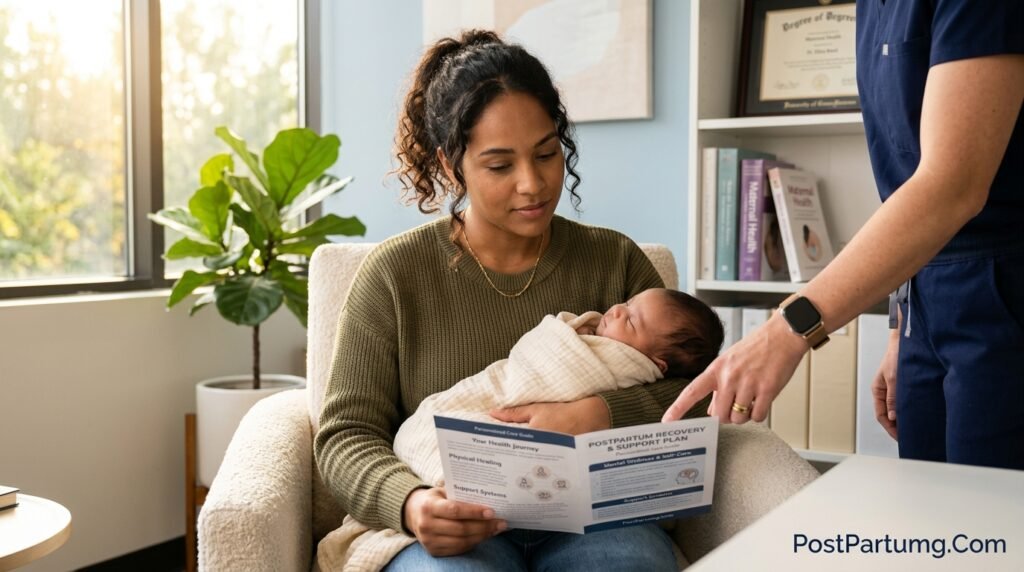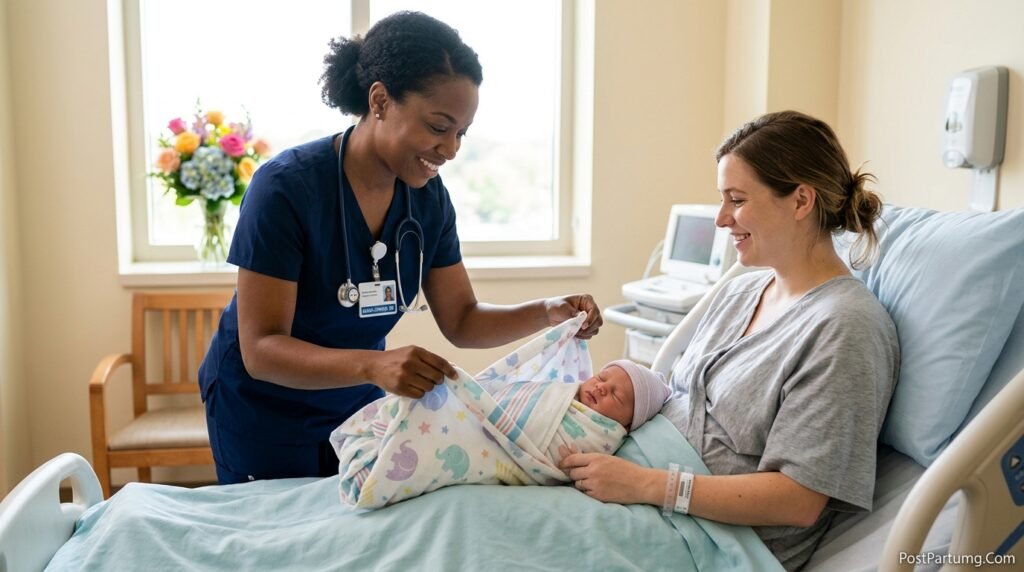





The first weeks after childbirth can feel like navigating uncharted territory. Sleep deprivation blurs the days, your body feels unfamiliar, and questions multiply faster than answers. During this vulnerable transition, a postpartum doula becomes more than support—she becomes a knowledgeable guide who validates your experience while protecting your recovery.
Medical Disclaimer
This article provides educational information about postpartum doula services and is not a substitute for professional medical advice. Always consult your healthcare provider for personalized guidance regarding postpartum recovery, mental health concerns, or physical symptoms requiring clinical evaluation.
Key Takeaways
Postpartum doulas provide non-medical physical, emotional, and informational support during the critical fourth trimester
Research suggests doula support correlates with reduced postpartum depression rates and increased breastfeeding success
Services typically include newborn care education, meal preparation, light household tasks, and evidence-based recovery guidance
2026 platforms now integrate AI-driven matching systems to connect families with culturally compatible doulas
Doula support differs fundamentally from medical care—they complement but do not replace healthcare providers
Understanding the Postpartum Doula Role
A postpartum doula serves as a trained professional specializing in the physiological and emotional needs of families during the weeks and months following birth. Unlike medical providers who focus on clinical outcomes, doulas address the day-to-day realities of recovery—the overwhelming fatigue, the confusion about infant feeding cues, the emotional whiplash between joy and anxiety.
The distinction matters. While your obstetrician monitors uterine involution and postpartum bleeding duration, a doula notices when you haven’t eaten since morning and brings you a nutrient-dense snack. She recognizes when your partner needs guidance about diaper changes or when you need permission to rest without guilt.
Continuous postpartum support reduces maternal stress and may speed physical healing by lowering stress-hormone burden (Journal of Perinatal Education, 2025). When basic needs are consistently met, the body can shift resources from stress response toward tissue repair.
Physical Recovery Support
The physical aftermath of pregnancy and birth demands weeks of deliberate healing. A postpartum doula understands the biomechanics of recovery and provides practical assistance that protects your body during this vulnerable period.
Perineal and Cesarean Healing
Whether you delivered vaginally or via cesarean section, tissue repair requires time and appropriate care. Doulas educate mothers about evidence-based healing practices:
- Proper peri-bottle technique and positioning to minimize perineal strain
- Safe movement patterns that protect abdominal incisions
- Recognition of concerning symptoms requiring medical evaluation
- Positioning strategies that reduce pressure on healing tissues during feeding
They also prepare sitz baths, organize postpartum supply stations, and ensure you’re not attempting physical tasks that compromise recovery. This seemingly simple support prevents complications that could extend healing timelines.
Sleep Architecture and Recovery
Sleep deprivation doesn’t merely cause fatigue—it actively impairs wound healing, hormone regulation, and immune function. Postpartum doulas implement evidence-based sleep strategies that maximize whatever rest windows exist.
Overnight doula support may improve maternal sleep quality even when total sleep hours stay the same, likely by supporting REM sleep and lowering postpartum cortisol from newborn-care anxiety. Evidence is still emerging, but better sleep architecture may help recovery.
Doulas achieve this through:
- Taking newborn care shifts so mothers complete full sleep cycles
- Creating optimized sleep environments (temperature, light, sound)
- Teaching partners bottle preparation for shared feeding responsibilities
- Recognizing sleep-deprivation warning signs before they become dangerous
Nutritional Recovery and Meal Support

The postpartum body requires approximately 500 additional daily calories for healing and lactation—yet meal preparation often becomes impossible amid newborn care demands. Doulas bridge this critical gap.
| Recovery Need | Nutritional Support | Doula Contribution |
|---|---|---|
| Tissue Repair | Protein (70-100g daily) | Prepares protein-rich meals and snacks |
| Iron Replenishment | 18-27mg daily (post-hemorrhage) | Cooks iron-rich foods with vitamin C pairing |
| Hydration for Lactation | 100-128 oz daily fluids | Maintains filled water bottles at feeding stations |
| Gut Motility | 25-30g fiber daily | Prepares fiber-rich meals supporting bowel recovery |
Beyond cooking, doulas educate families about nutrient timing—eating protein within 30 minutes of waking supports cortisol regulation, while complex carbohydrates in evening meals may improve sleep quality.
Emotional Processing and Mental Health Support
The postpartum period brings profound psychological adjustment. Hormones shift dramatically, sleep deprivation affects mood regulation, and identity transformation occurs while caring for a dependent newborn.
Postpartum doulas receive training in perinatal mood disorders and provide critical early recognition. They cannot diagnose or treat postpartum depression, but they identify warning signs and facilitate connection with appropriate providers.
The Validation Factor
Validation of postpartum difficulties reduces maternal anxiety + builds confidence American Psychological Association. Doulas excel at normalizing overwhelming feelings while distinguishing typical adjustment from clinical concerns.
When a mother expresses guilt about not instantly bonding with her baby, a doula shares: “Many mothers experience this. Bonding often unfolds gradually over weeks. What you’re feeling is common, not a reflection of inadequacy.” This research-backed reassurance reduces isolation.
For mothers experiencing symptoms beyond normal adjustment—persistent hopelessness, intrusive thoughts, inability to sleep even when the baby sleeps—doulas facilitate immediate professional referrals and support group connections.
Newborn Care Education
First-time parents often leave hospitals with a newborn and minimal practical care knowledge. Doulas fill this dangerous gap with evidence-based education delivered without judgment.
Feeding Support
Whether mothers choose breastfeeding, formula feeding, or combination approaches, doulas provide informed support. They teach:
- Proper latch assessment and positioning techniques
- Recognition of adequate intake (diaper output, weight gain patterns)
- Safe formula preparation and storage protocols
- Pumping strategies that maintain supply without causing exhaustion
Postpartum support shines with the 2026 launch of MaiaMilk—FDA-regulated powdered donor human milk for home use. It needs specific handling education for safe prep + storage, making doula guidance essential.

Safe Sleep Practices
Sudden unexpected infant death remains a leading cause of mortality in the first year. Doulas reinforce CDC safe sleep guidelines:
- Supine positioning for every sleep
- Firm, flat surfaces without loose bedding
- Room-sharing without bed-sharing
- Temperature regulation to prevent overheating
They also address the reality that parents sometimes fall asleep during nighttime feedings, teaching harm-reduction strategies for those moments.
Partner and Family Integration
Postpartum doulas recognize that recovery occurs within family systems. They actively involve partners and family members rather than replacing them.
Effective doulas teach partners:
- Diaper changing, bathing, and soothing techniques
- How to support breastfeeding mothers (positioning pillows, bringing water)
- Recognition of maternal exhaustion signs
- Ways to bond with newborns beyond feeding
This education strengthens family units and prevents the isolation that sometimes occurs when one parent becomes the default caregiver. Many first-time parents report that doula support improved their partnership by providing shared knowledge and realistic expectations.
Cultural Competency and Personalized Care
The 2026 doula landscape has shifted significantly toward cultural humility training. Modern doulas recognize that postpartum practices vary across cultures, and effective support requires understanding these differences.
Cultural considerations include:
- Traditional postpartum food practices (specific warming foods in Chinese tradition, avoiding cold items)
- Religious observances affecting care routines
- Extended family involvement expectations
- Language preferences for education materials
AI-matching platforms for doulas now prioritize cultural compatibility beyond location, linking families to doulas familiar with their traditions. Cultural variations in postpartum support strongly influence recovery outcomes
When to Hire a Postpartum Doula
Timing significantly affects the value families derive from doula support. Evidence-based recommendations suggest:
Prenatal Hiring
Ideally, families select and meet their postpartum doula during the third trimester. This allows:
- Relationship building before the vulnerable postpartum period
- Advance planning for specific support needs
- Coordination with birth plans and feeding goals
- Budget preparation (rates range $25-65 hourly depending on region and experience)
Duration of Services
Maximum doula benefits align with the physiological fourth trimester (first 12 weeks postpartum), with studies showing positive outcomes at 6-8 weeks. Families customize from short-term visits to extended support.
- Intensive support (4-6 hours daily for first 2 weeks)
- Moderate support (2-3 visits weekly for 8 weeks)
- Overnight support (10-12 hour night shifts 2-3 times weekly)
- On-call consultation packages
The optimal arrangement balances family needs, budget constraints, and available informal support networks.
Postpartum Doula Certification and Standards
Not all individuals calling themselves postpartum doulas hold equivalent training. Reputable certification organizations include:
- DONA International (requires 14+ hours training, practicum experience)
- ProDoula (offers specialized certifications including lactation support)
- International Doula Institute (provides culturally focused training)
- CAPPA (Childbirth and Postpartum Professional Association)
Certified doulas complete education in:
- Normal postpartum physical recovery
- Infant feeding methods and troubleshooting
- Perinatal mood disorder recognition
- Safe sleep and infant care practices
- Professional boundaries and scope of practice
They also maintain liability insurance and commit to ongoing education—critical given evolving research and guidelines.
Cost Considerations and Accessibility
Postpartum doula services remain financially inaccessible for many families. Average costs range $800-3,200 for typical 6-8 week packages, creating significant barriers.
However, accessibility is slowly improving through:
- Sliding-scale arrangements offered by many individual doulas
- Community doula programs in underserved areas
- Health Savings Accounts (HSAs) and Flexible Spending Accounts (FSAs) cover qualified medical expenses tax-free, but eligibility depends on your health plan and IRS rules.
- Rare insurance coverage through progressive employers
- Volunteer doula organizations training individuals to serve their communities

Some families prioritize this expense by reducing other baby-related purchases, recognizing that maternal recovery forms the foundation for long-term family wellbeing.
FAQ
Night nurses provide medical care and focus exclusively on infant needs, while doulas offer non-medical support centered on whole-family recovery and education.
Absolutely. Qualified doulas support all feeding methods without bias, providing evidence-based information about safe preparation, paced bottle feeding, and responsive feeding cues.
Always follow your medical provider’s guidance. Reputable doulas defer to clinical expertise and work within the care plan established by your healthcare team.
Many families benefit from both. Doulas provide professional expertise and evidence-based education that family members, however well-intentioned, may lack.
Ask about certification organization, training hours completed, years of experience, liability insurance, references from recent clients, and their process for handling situations requiring medical referral.
Moving Forward With Supported Recovery
The postpartum period represents a critical window when appropriate support prevents complications and establishes patterns affecting long-term maternal and family health. Postpartum doulas fill the gap between clinical medical care and the daily realities of early parenthood.
Postpartum doula support boosts mental health, breastfeeding success, + parenting confidence at 6 months. Beyond tasks, it delivers structured emotional + practical care for lasting family well-being.
For families considering this investment, the question often centers not on whether doula support helps, but whether the financial and logistical barriers can be overcome. As awareness grows about the fourth trimester’s critical importance, advocacy continues for insurance coverage, workplace benefits, and community programs that make this evidence-based support accessible to all families navigating postpartum recovery.
References and Sources
- Cochrane Database of Systematic Reviews – Continuous Support for Women During Childbirth and Postpartum (2025)
- Centers for Disease Control and Prevention – Safe Sleep Practices
- American Psychological Association – Perinatal Mental Health Guidelines (2025)
- U.S. Food and Drug Administration – Medical Device Approvals (2026)
- Sleep Research Society – Maternal Sleep Quality Studies (2026)
- Journal of Obstetric, Gynecologic & Neonatal Nursing – Fourth Trimester Support (2025)
Last Fact-Checked: April 2026
About the Author
Dr. Sarah Mitchell, MPH, IBCLC is a maternal health researcher specializing in postpartum recovery and perinatal mental health. With over 12 years of clinical experience and certification as an International Board Certified Lactation Consultant, she translates complex medical research into accessible guidance for families. Dr. Mitchell serves on the editorial board of the Journal of Perinatal Education and regularly consults with doula training organizations to align support services with current evidence-based practices.